India will overwhelm you, confuse you, and change something in you that you can’t quite name. That’s exactly why you need to go.
I’ll be honest with you. Before I went to India, I almost talked myself out of it a few times. The stories you hear – the chaos, the scams, the heat, the sheer scale of everything – can make it feel like a country that punishes you for showing up underprepared. India will overwhelm you, confuse you, and change something in you that you can’t quite name. That’s exactly why you need to go.
But here’s what nobody tells you before you go: that chaos is also the thing that makes India the most alive place you will ever stand. There is nowhere on earth quite like it, and if you can get comfortable with being uncomfortable, it will give you experiences that nowhere else can.
This guide is for solo travelers who are thinking about India but haven’t fully committed yet – and for those who’ve already booked and want to know what they’re actually getting into. I’m going to be straight with you on costs, routes, safety, and the things travel blogs usually skip over.
Why India hits differently when you travel solo
There’s a reason India is a rite of passage for a certain kind of traveler. Solo travel here isn’t passive. You can’t float through it with your headphones in. India demands your attention – constantly – and in return it gives you moments that are genuinely difficult to explain to people who weren’t there.
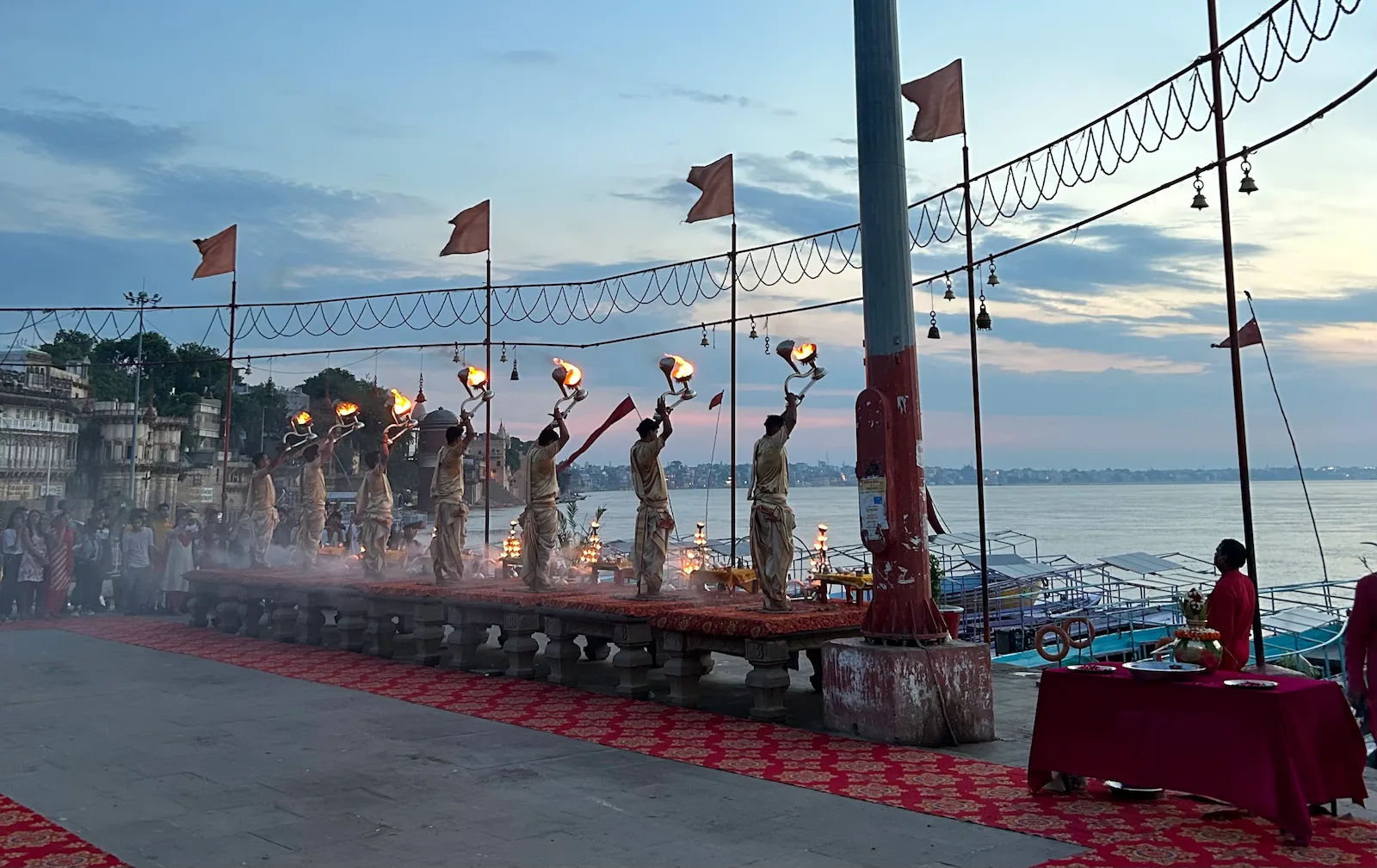
Walking through Old Delhi at 6am before the city wakes up. Watching the Ganges Aarti ceremony in Varanasi as the sun drops and the smoke rises. Finding yourself on a rooftop in Udaipur with a beer, watching the lake turn gold. These aren’t Instagram moments – they’re also the kind of thing that stays with you long after the trip has ended.
The other thing about going solo: Indians are extraordinarily hospitable. You will be invited to share food, offered directions you didn’t ask for, and pulled into conversations that somehow last an hour. Loneliness is almost structurally impossible here. The country will not allow it.
The real cost of backpacking India in 2026
India is genuinely one of the most affordable destinations in the world – but only if you understand where the money actually goes. Your accommodation and food budget will be low.
HOSTEL DORM – £8-15 per night
BUDGET PRIVATE ROOM – £20-35 per night
STREET FOOD/ LOCAL MEAL – £2-5 per meal
OVERNIGHT TRAINS – £15-30 per person
Overnight Buses – £5-15 per person
Daily Budget Reality Check
Budget traveler: £30-40/day — hostels, street food, local transport
Mid-range: £40–50/day — private rooms, sit-down restaurants, the odd domestic flight
Honest budget tip: Book your trains early. Ticket prices jump and availability disappears fast during peak season (October–March). IRCTC is the official booking platform – IT IS A NIGHTMARE TO USE.
The routes that actually work for solo travelers
India is enormous. The biggest mistake first-timers make is trying to see too much. Pick a thread and follow it. Here are three that consistently deliver.
The Golden Triangle + Rajasthan (10–14 days)
Delhi→Agra→Jaipur→Jodhpur→Udaipur
This is the route that makes sense for almost everyone on a first trip. Short train journeys, strong backpacker infrastructure, and a steady escalation from chaotic (Delhi) to the beautiful (Udaipur). Do the Taj Mahal at sunrise, yes, it’s the obvious thing, but it’s obvious because it genuinely works and is stunning.
The longer haul: North + South India (3–4 weeks)
North India→Varanasi→Goa→Kerala
Varanasi is not an easy city. It’s probably the most confronting place I’ve ever been – and I mean that as a recommendation. The Ganges Aarti ceremony at dusk is the kind of experience that makes you feel small in the best possible way. After the intensity of the north, Goa feels like someone turned the volume down. Kerala turns it off entirely – backwaters, tea plantations, and a pace that actually lets you breathe.
Off the beaten track (slow travel, 2+ weeks)
Hampi→Mysore→Kerala villages
Hampi is where you go when you want to find a less touristy place. Ancient temple ruins scattered across a landscape of giant boulders – it looks like someone dropped a civilization into the middle of a museum. Hire a bicycle, find a rooftop café, and stay longer than planned.
Getting around without losing your mind
India’s railway network is the backbone of budget travel here. It’s huge, it’s cheap, and once you understand it, it’s surprisingly good. Book through IRCTC (if you can figure it out) – create an account before you arrive because the verification can take a day or two. For most backpackers, AC 3-Tier (3A) is the sweet spot: air-conditioned, comfortable enough, and significantly cheaper than 2A.
Overnight sleeper buses are popular for routes not covered by trains. RedBus is the app to use. Always book top bunks as a solo traveler – more private, less foot traffic past your head at 2am.
Domestic flights are genuinely worth considering if you’re doing north-to-south. India is a massive country and sometimes a £50 flight saves you 18 hours on a bus. Always check baggage allowances – budget airlines here will absolutely charge you for that extra kilo.
Best Time to Visit
Oct – March Ideal. Cool, dry, busy – book ahead
Apr – Jun Extreme heat in the north. South India is manageable
Jul – Sep Monsoon. Lush and atmospheric
The mental load of India is real. Here’s how to carry it differently. Solo vs Group Travel.
Going completely solo in India is doable and for some travelers, the freedom is the whole point. But I’ll be honest: navigating trains, managing bookings, staying switched on in busy cities – it adds up. There’s a reason India has a reputation for burning people out.
Joining a small group trip isn’t a compromise. It’s a different experience – one that often goes deeper, because you spend less energy on logistics and more on actually being present. Built-in people to share the weird moments with, local knowledge you’d take weeks to accumulate on your own, and the confidence to go to places you might otherwise skip.
Independence without the isolation and adventure without the overwhelm.
If you’re looking to go solo but not alone, check out our Onda Adventures India Group Trip.
Yes – with preparation and common sense. The same awareness you’d apply in any major city applies here. The backpacker routes are well used for a reason: they work. If you’d rather have experienced guides and a ready-made trip around you, Onda Adventures runs small group India trips built for people who don’t want to go alone.
Trains or buses. Book AC 3-Tier sleepers as early as possible on IRCTC. The electric sleeper buses are also great.
Many women travel India solo every year and have brilliant experiences. Research your destinations, use female-only train carriages where available, dress modestly in more conservative areas, and trust your instincts. It requires more vigilance than some destinations – but it absolutely shouldn’t stop you going. Our Onda Adventures India trips are a great option if you want the experience with built-in safety and a vetted group around you.
Budget around £1300–1,600 for 3 weeks covering accommodation, food, transport, and activities. Flights are separate. It’s very possible to do it on less; harder to blow through more unless you’re actively trying.
Your next trip starts here
Get early access to new adventures, real travel tips, and everything we’re planning behind the scenes.

This is an affiliate link and we may be compensated. This does not affect the price you pay.